




Precision Is a Lifestyle: Why Well-Dressed Men Protect Their Timepieces
There is a particular kind of man who understands that precision is not an aesthetic — it is a philosophy.
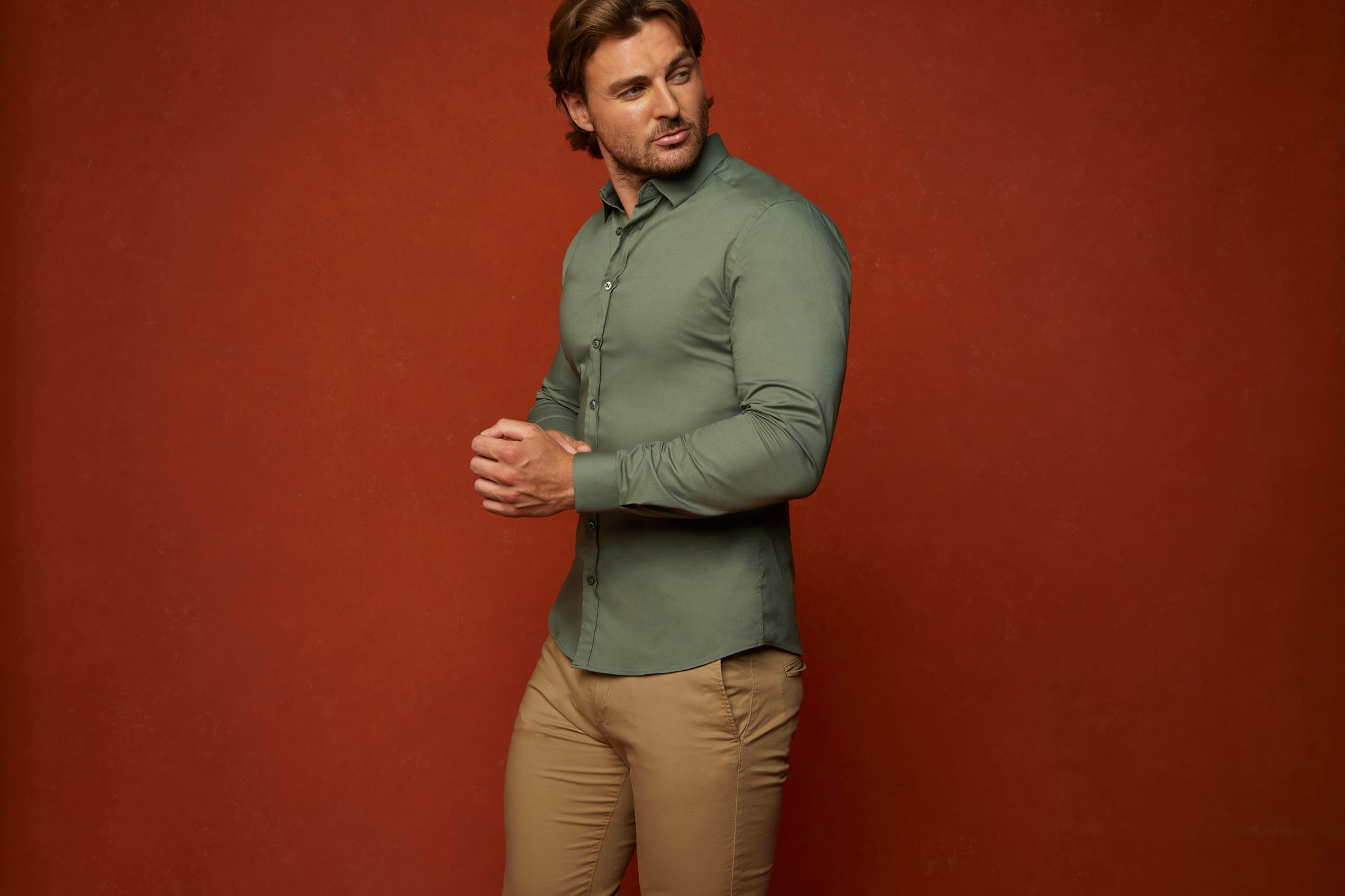
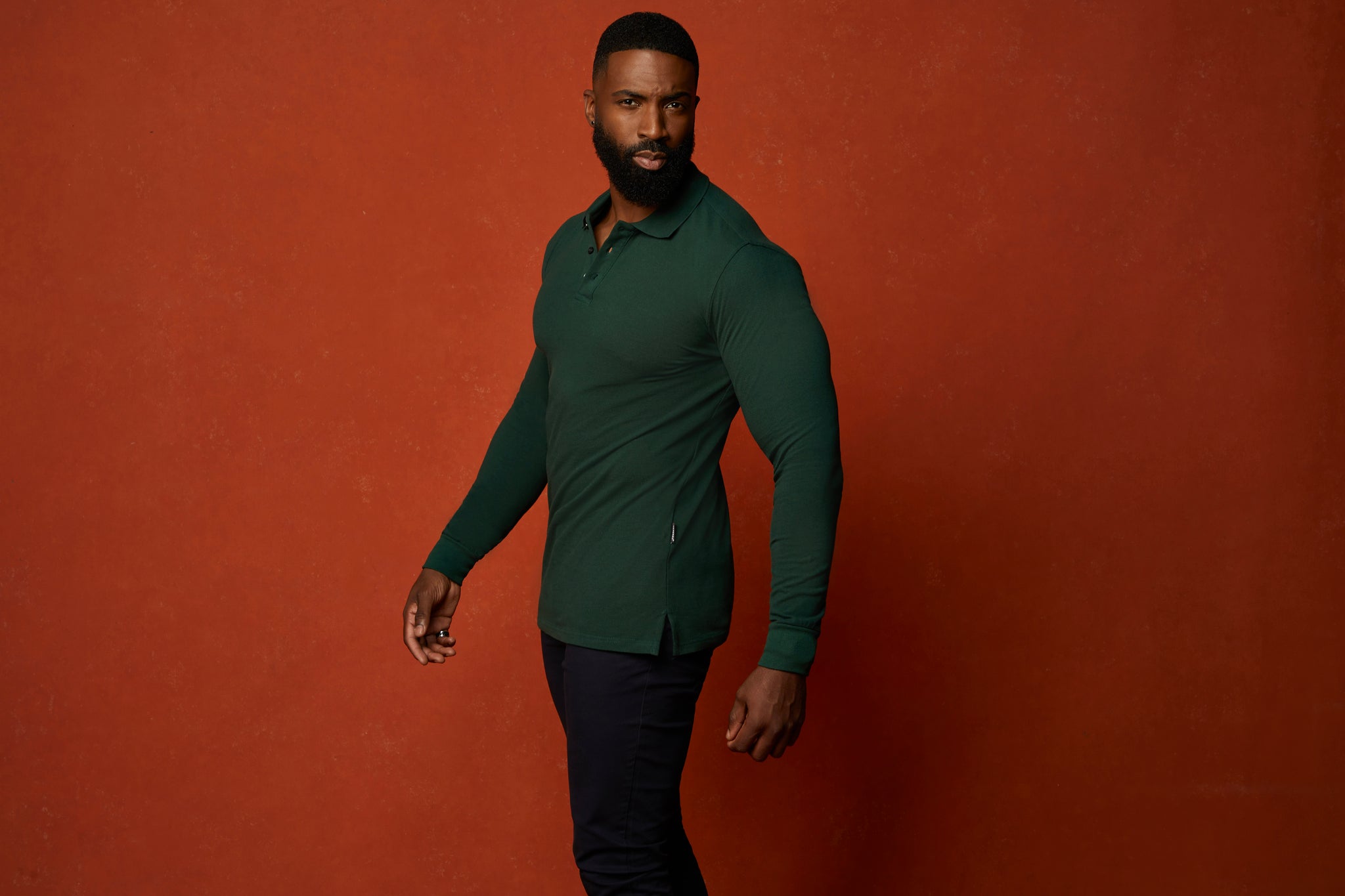
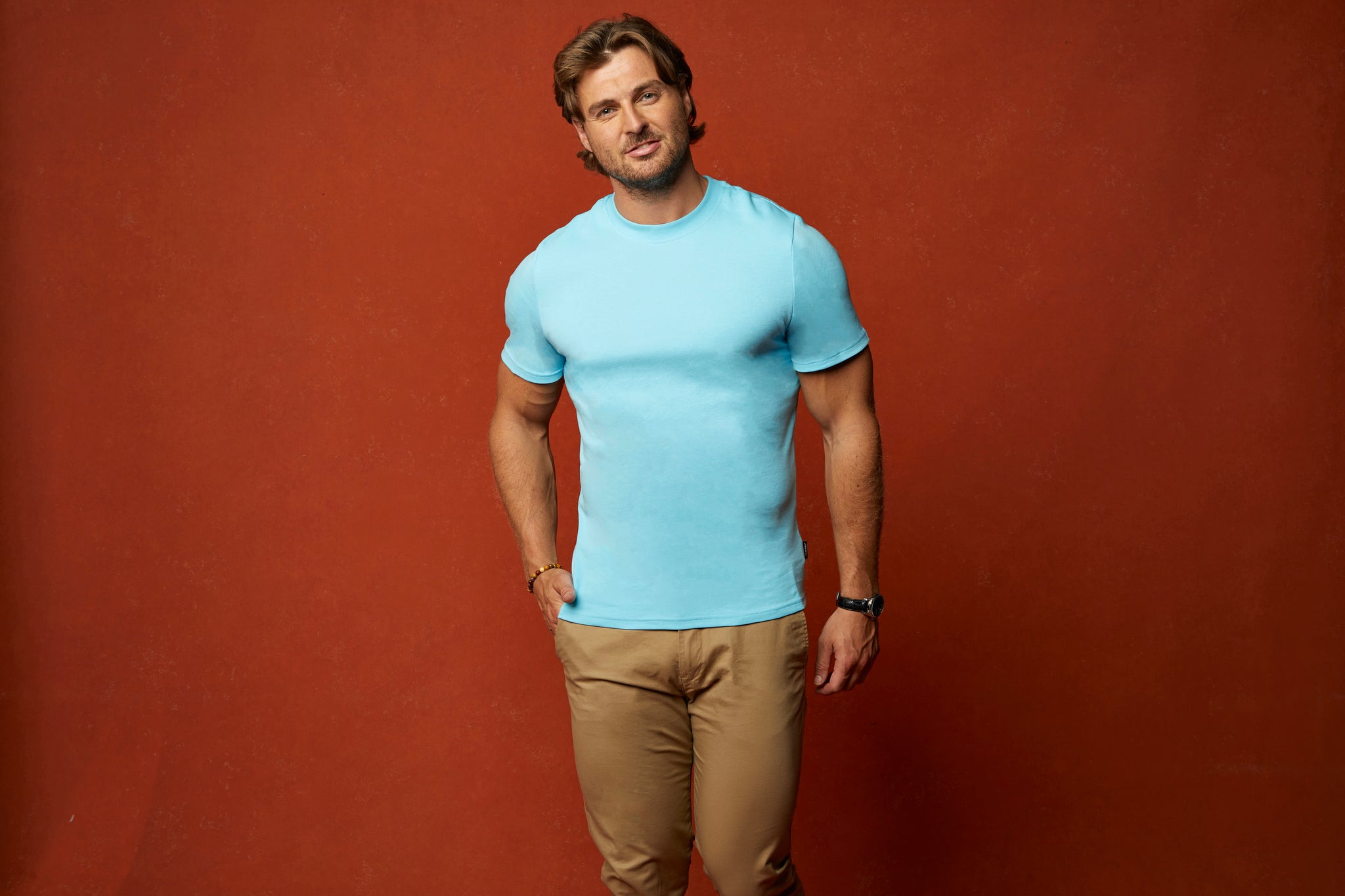
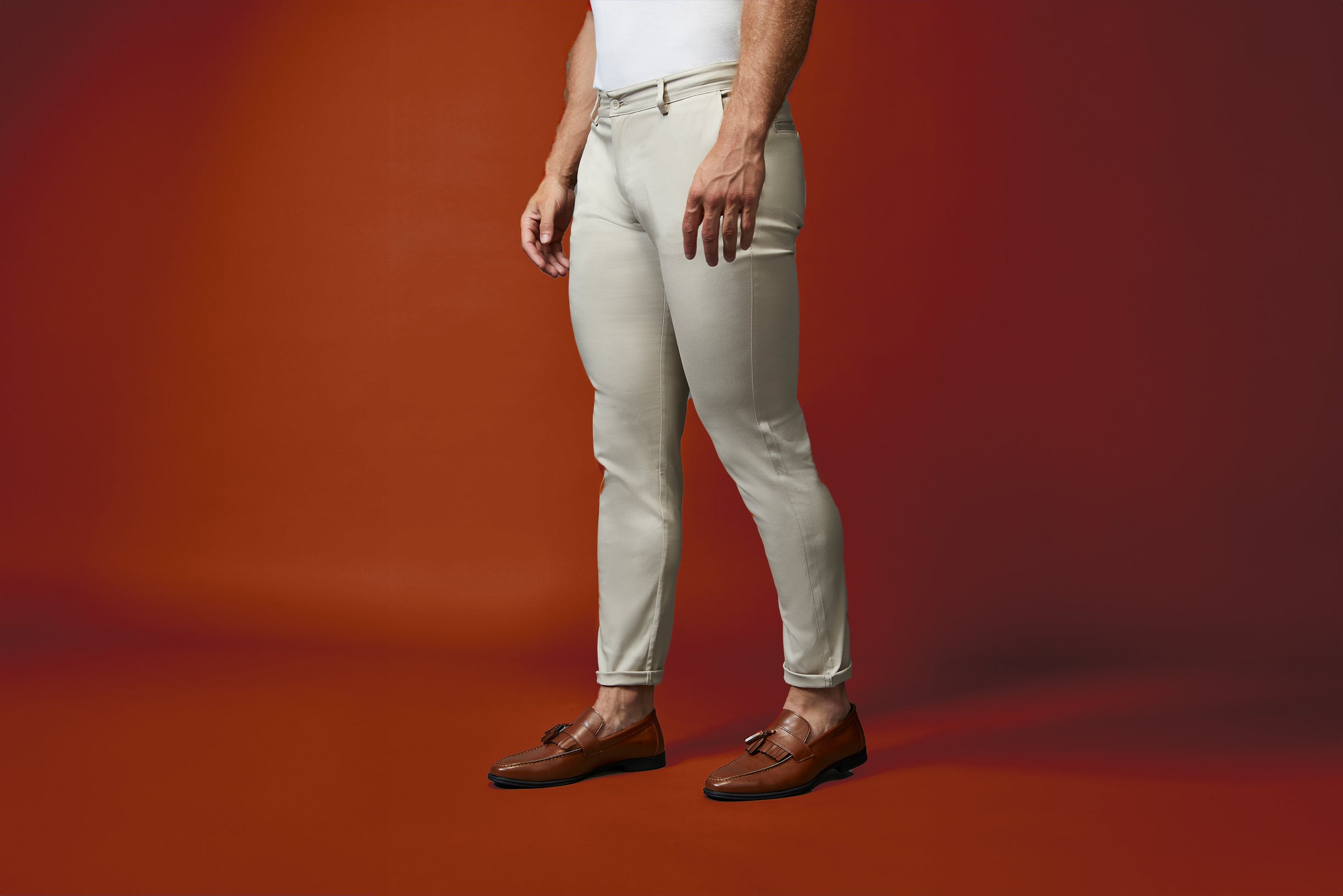
His jacket fits cleanly through the shoulders. His trousers taper exactly where they should. The cuff breaks with intention, not accident. Nothing is excessive, yet nothing is overlooked.
In menswear, tailoring is often celebrated as the highest expression of discipline. Fabric is shaped millimetre by millimetre. Lines are adjusted to follow the body’s natural structure. Balance is everything.
Yet beyond the cut of a jacket lies another, quieter signal of refinement: how a man treats his watch.
Craft Recognises Craft
A mechanical timepiece is not an accessory in the traditional sense. It is a miniature machine — an intricate system of springs, gears and oscillating balance wheels that operate with microscopic tolerance.
The Horological Society of New York notes that even slight environmental variations — temperature, humidity, shock — can influence mechanical performance over time (https://www.hs-ny.org/).

In other words, precision is fragile.
For the man who appreciates tailoring, this parallel is unmistakable. A well-made suit deserves structure. A mechanical watch deserves stability.
Both are built through craft. Both require care.
The Language of Restraint
Luxury is rarely loud.
It reveals itself in restraint — in how details are managed rather than displayed. A well-chosen watch peeking from beneath a cuff communicates more than an oversized logo ever could.
But the true mark of refinement lies in what happens after the watch is removed.
Does it rest carelessly on a bedside table? Or is it placed deliberately, protected from dust and unnecessary wear?
Discipline in storage mirrors discipline in dress.
The Ritual of Removal
There is a quiet ritual at the end of a well-dressed day.
Cufflinks are removed. Jacket placed carefully on a hanger. Shoes brushed lightly before returning to their trees.
The watch, too, is lifted from the wrist — its movement still alive, ticking softly.
Mechanical watches rely on motion to maintain their function. When left idle for extended periods, lubricants can settle and timekeeping can drift.
Proper storage solutions — particularly watch winders and structured cases — maintain mechanical equilibrium. They prevent unnecessary strain and preserve the integrity of the movement.
This is not indulgence. It is respect.
Climate and Control
Australia’s climate presents unique considerations for collectors.
Humidity along coastal regions, dry inland heat, sudden seasonal shifts — all introduce variables that impact fine materials.
Leather straps respond to moisture. Internal components respond to temperature.
Just as fine wool requires proper storage away from damp conditions, mechanical watches benefit from controlled environments.
Refined storage solutions provide stability. They create boundaries between craftsmanship and environmental unpredictability.
In this context, preservation becomes part of personal style.
Travel and Transition
The modern gentleman rarely remains static.
Business trips. Weekend escapes. International travel.
A tailored wardrobe travels with care — garments folded precisely, protected within structured luggage.
Timepieces deserve similar consideration.
Dedicated watch rolls prevent impact during movement. Cushioned compartments minimise shock. Compact cases ensure organisation without excess bulk.
For men who understand proportion and balance in clothing, this attention to accessory storage feels intuitive.
Refinement Beyond Visibility
The distinction between style and refinement lies in what is unseen.
Anyone can purchase a tailored jacket. Fewer maintain it properly.
Anyone can acquire a mechanical watch. Fewer preserve its movement with intention.
There is a particular quiet confidence in knowing that the details are managed — that craftsmanship is protected, even when no one else is watching.
It is the same confidence that comes from wearing clothing cut precisely to your form. The assurance that every element has been considered.
A Philosophy of Longevity
Modern luxury has shifted away from accumulation toward longevity.
Fewer pieces. Higher quality. Greater care.
This philosophy aligns seamlessly with both tailored menswear and horology. Invest in precision. Maintain it meticulously. Allow time to enhance, not erode, value.
Specialist retailers such as Lux Watch Care exist within this philosophy — offering storage and winding solutions designed to support mechanical longevity rather than merely display ownership.
The emphasis is not on consumption, but continuation.
The Cuff and the Case
When a watch slides beneath the cuff of a perfectly tapered sleeve, the symmetry is intentional.
The diameter complements wrist size. The thickness aligns with jacket proportions. The strap tone harmonises with belt and shoe.
It is a choreography of precision.
But precision extends beyond appearance. It continues after the cuff is unbuttoned and the day concludes.
How the watch rests overnight speaks to the same discipline that governs tailoring choices.
Precision as Identity
Ultimately, precision is not about clothing or timepieces alone.
It is about identity.
The man who invests in fit understands structure. The man who protects his watch understands longevity. Both actions reflect an awareness of detail that transcends surface style.
In a world increasingly dominated by disposable fashion and digital timekeeping, the decision to maintain mechanical craftsmanship feels deliberate.
Measured. Controlled. Refined.
And that is the essence of modern luxury — not simply wearing precision, but living it


