





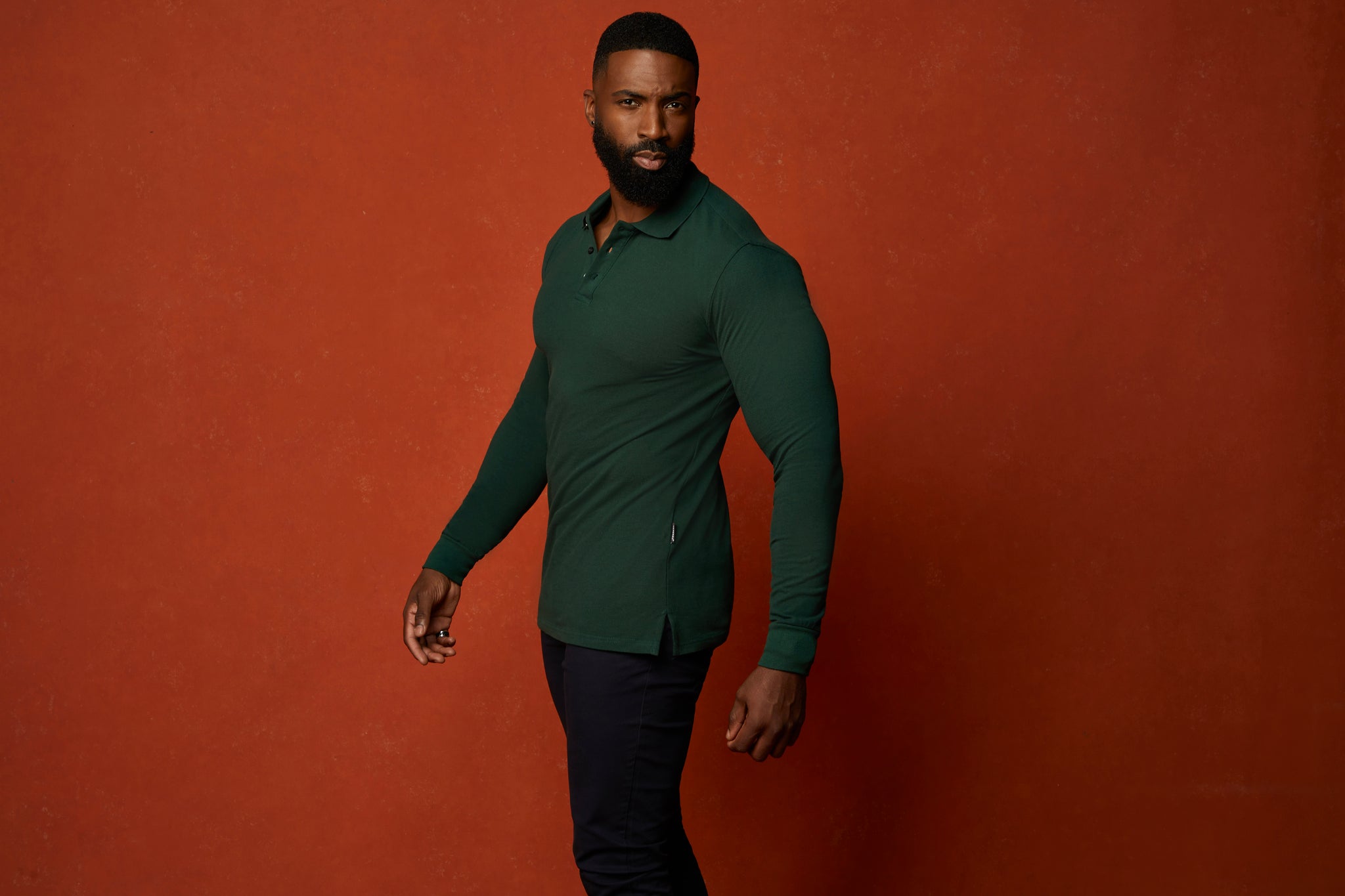

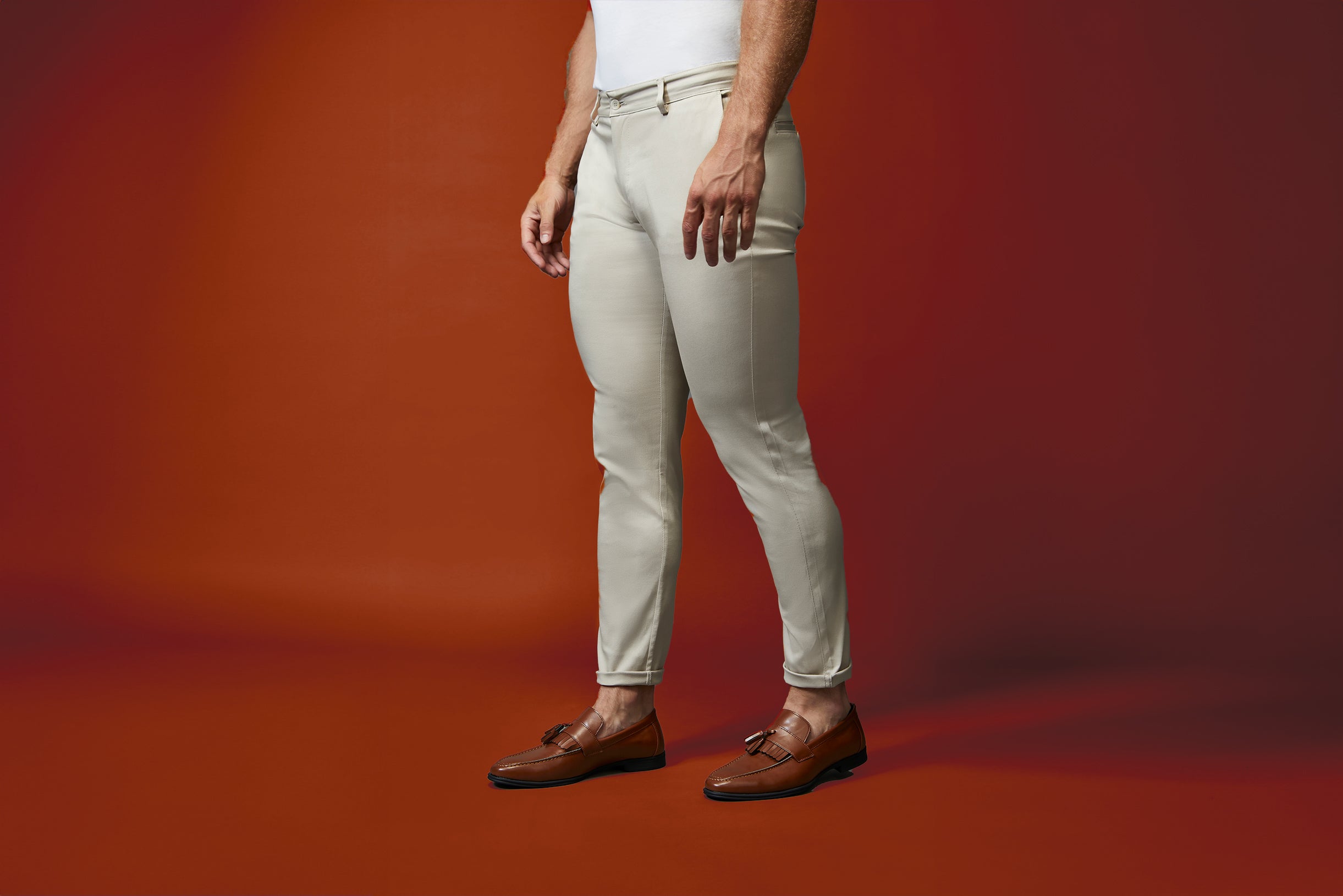

Wearing one colour from collar to shoes looks effortless when it works and like a uniform when it does not. The difference comes down to shade, texture and a couple of rules the best-dressed men follow without thinking about it.
What tonal dressing actually means
Tonal dressing is building an outfit from related shades of one colour family: navy with mid-blue, charcoal with pale grey, camel with beige. It is not the same as wearing one identical colour everywhere.
It has been on our radar because Primer Magazine ran two recent looks built on it: one entirely in blue, and one in greys and near-neutrals with almost no colour at all.
The appeal is simple. One colour family means fewer clashes, fewer decisions in the morning and an outfit that reads as considered rather than busy.

Rule 1: Vary the shade, but not too far
The fastest way to look like you are in a uniform is to match every piece to exactly the same colour. Step the shades instead, so the eye can tell where the jacket ends and the trousers begin.
There is a limit, though. In a guide on tonal dressing from The Rake, Neapolitan tailor Mariano Rubinacci warns that very light and very dark blue worn together clash. Pair neighbours on the scale instead: navy with mid-blue, pearl grey with charcoal, beige with camel.
A useful test: if two pieces look like they belong to different outfits when laid side by side, the gap is too wide.
Rule 2: Let texture do the work colour usually does
When you take away colour contrast, texture becomes the thing people notice. Both Primer and The Rake make this point.
Primer's grey look stacks four fabrics with almost no colour between them: a nubby charcoal wool chore coat, a soft grey henley, olive corduroy trousers and suede shoes. The Rake suggests contrasting matt and shine, or setting suede against knitwear or flannel.
In practice, aim for at least three distinct surfaces in a tonal outfit. A smooth cotton shirt, a ribbed knit and a brushed chino already give you that.
Rule 3: Know your denim from your chambray
Blue on blue is the most common tonal outfit, and the one men worry about most. The double denim fear is real, but it usually comes from pairing two fabrics that look identical.
Here is the fact that helps. According to shirtmaker Proper Cloth, chambray is a plain weave, with threads going simply over and under, while denim is a twill, where the warp passes over two weft threads before going under one. Primer describes the two as cousins rather than twins, because chambray is lighter and thinner.
That difference in surface is why a chambray shirt with jeans works where a denim shirt in the same wash can look like a boiler suit. Proper Cloth also notes that denim is usually lighter on the reverse side, which is a quick way to tell them apart in a shop.
Keep the shirt and jeans at visibly different depths of blue, then add a navy layer on top. Primer's blue look does exactly this with a navy blazer over chambray and faded jeans.
Rule 4: Match the season and break it up once
The Rake makes a sensible point that is easy to miss: keep fabrics from the same season together. Rubinacci's example is not to wear linen with corduroy. In late November that means wool, flannel, cord, brushed cotton and suede.
Then give the eye one place to land. A contrasting belt, a pocket square or a pair of socks is enough, as The Rake suggests. One break, not three.
Tapered's take
This is our view, not a rule from anyone above. Tonal dressing is the easiest way we know to look put together without trying hard, and it is especially forgiving for smart-casual wardrobes built on shirts, polos, chinos and jeans.
Start with navy. It is the colour most men already own in several shades: a navy polo or knit, a mid-blue oxford or chambray shirt and dark indigo jeans make a complete outfit before you buy anything new.
For grey, a charcoal knit over a pale grey T-shirt with grey chinos works for an office with a relaxed dress code. Swap in white trainers for the weekend and brown suede for dinner.
If you train and carry a broader chest, tonal outfits help in a practical way: a darker top half paired with a slightly lighter but related trouser shade looks balanced without a hard colour line cutting you in half at the belt. Fit still matters more than colour, so make sure the shirt sits close without pulling across the buttons.
Our simplest version: pick one colour family, step the shades, mix three textures and allow yourself one accent. That is the whole system.


